
For transportation directors, the goal is always simple on paper: get every student to school safely, consistently, and on time.
In practice, of course, it is rarely that simple.
Routes change. Driver availability shifts. Student needs become more complex. A new IEP requirement comes in halfway through the year. A family moves across district lines. A student needs door-to-door service, a shorter ride time, a specialized vehicle, or a driver who understands specific behavioral or medical considerations.
And suddenly, a transportation team that was already working hard is being asked to stretch even further.
Districts do not necessarily need to overhaul their entire transportation operation. In many cases, the core system is working well. Yellow bus routes are still moving students every day; dispatch teams are making constant adjustments, drivers are showing up, and transportation staff are solving problems in real time. The challenge is that some routes and student needs may require a level of customization that is difficult to manage within the traditional system alone.
The best next step may not be adding more pressure to the existing system but bring in the right support.
That is where an alternative transportation partner can help.
Alternative transportation providers do not replace a district’s existing transportation operation. They complement it by supporting the routes, students, and situations that require a more customized approach.
Here are a few signs it may be time to consider that kind of support.
1. Routes are becoming too complex for the current system
Traditional bus routes are designed around efficiency, capacity, and consistency. They work best when students can be grouped together; stops can be consolidated, and schedules remain relatively predictable.
Alternative transportation is different.
Some students need individual or small-group transportation. Some require door-to-door pickup. Some cannot safely spend long periods of time on a bus. Some need a specific vehicle type, a more direct route, or a driver trained to support unique needs.
When these trips are added into a traditional routing model, they can create a ripple effect across the entire system. One specialized route may require extra staff time, additional vehicle planning, new communication protocols, and constant adjustments.
If your team is spending more time trying to fit highly individualized needs into a fixed-route system, that may be a sign that a dedicated alternative transportation partner could help.
2. Special education transportation needs are growing
Transportation is often a related service for students with Individualized Education Programs (IEPs). That means it is not just a logistical issue. It is part of ensuring access to education.
As student needs change, transportation teams may be asked to provide more customized support. That could include curb-to-curb or door-to-door service, wheelchair-accessible vehicles, safety restraints, shorter ride times, individual transportation, or more detailed coordination with families and school teams.
These services require more than availability. They require training, consistency, communication, and accountability.
When special education transportation starts to demand a growing share of internal time and resources, it may be worth asking whether your district has the right support structure in place. An alternative transportation partner can help districts meet those needs with a model designed specifically for higher-touch student transportation.
3. Driver gaps are affecting coverage
Driver shortages continue to put pressure on transportation departments. Even when a district has a strong team, absences, retirements, vacancies, and hard-to-fill positions can create daily coverage challenges.
For traditional routes, a missing driver may mean combining routes or shifting staff. For specialized transportation, the options can be even more limited.
A student who requires a specific vehicle, a trained driver, or a more individualized route may not be easy to move into another route at the last minute. When coverage becomes inconsistent, families feel it quickly. Schools feel it quickly. Transportation directors definitely feel it quickly.
If your team is regularly scrambling to cover specialized routes, or if one absence can throw an entire plan off track, an alternative transportation partner can provide added capacity and stability.
4. Ride times are getting too long
Long ride times are frustrating for any student. For students with disabilities, medical needs, anxiety, behavioral challenges, or sensory sensitivities, long rides can be more than inconvenient. They can affect the student’s entire school day.
Transportation directors and educators know this better than anyone. A student who arrives tired, dysregulated, overwhelmed, or late may already be starting the day at a disadvantage.
When routes are combined because of driver gaps or routing constraints, ride times can gradually increase, even when the original plan made sense in August. By October, that same route may look very different as student needs change, families move, or new placements require longer and more individualized trips.
If your team is seeing more students spending too much time in transit, especially students who need more individualized support, it may be time to look at alternative transportation as a pressure relief valve. A specialized partner can help create more direct, student-centered routes that reduce time in the vehicle and improve consistency for students and families.
5. Missed pickups or late arrivals are becoming more frequent
Every transportation operation has difficult days – weather, traffic, mechanical issues, student absences, or simple communication breakdowns. Those challenges are part of managing a complex daily system, and even strong transportation teams have moments when the day does not go exactly as planned.
But when missed pickups, delayed pickups, or late arrivals start becoming a pattern, it is worth taking a closer look.
For students with specialized transportation needs, reliability is especially important. Families may be coordinating work schedules, medical appointments, therapies, school supports, and caregiver responsibilities around transportation. Schools may be planning staffing, handoffs, and services around arrival times.
When transportation becomes unpredictable, the impact spreads beyond the route itself.
An alternative transportation partner can help create a more accountable system for these higher-touch rides, with clearer communication, dedicated drivers, route visibility, and performance tracking.
6. Internal teams are spending too much time on one small portion of the system
One of the clearest signs that support may be needed is when a small number of routes or students require a disproportionate amount of staff time. That does not mean those students are a burden. It means their transportation requires a level of customization that may not fit easily into the district’s broader operating model.
If dispatch, routers, directors, school staff, and family liaisons are spending hours each week coordinating a handful of complex rides, the system may need a different approach.
An alternative transportation partner can take on the operational details of those specialized routes while keeping the district informed and in control. That allows internal teams to stay focused on the larger transportation network while still ensuring high-quality service for students with unique needs.
7. Communication with families requires more hands-on support
Alternative transportation is deeply personal. Families want to know who is driving their child, when the vehicle will arrive, what happens if there is a delay, and who to call if something changes.
For students with unique needs, trust, consistency, and communication are critical.
If families are calling frequently because they do not have clear information, or if school staff are constantly serving as the middle point between transportation and caregivers, the district may benefit from a partner with stronger communication processes.
A good alternative transportation partner should understand that the ride does not begin when the student gets in the vehicle. It begins with planning, communication, preparation, and trust.
Complementing the district, not replacing it
The decision to work with an alternative transportation partner should not be viewed as a failure of the district’s current operation. In many cases, it is the opposite.
It is a sign that the district is paying attention.
Transportation directors are being asked to manage more complexity with limited resources, tighter budgets, and ongoing staffing challenges. Building the right support system is part of protecting service quality.
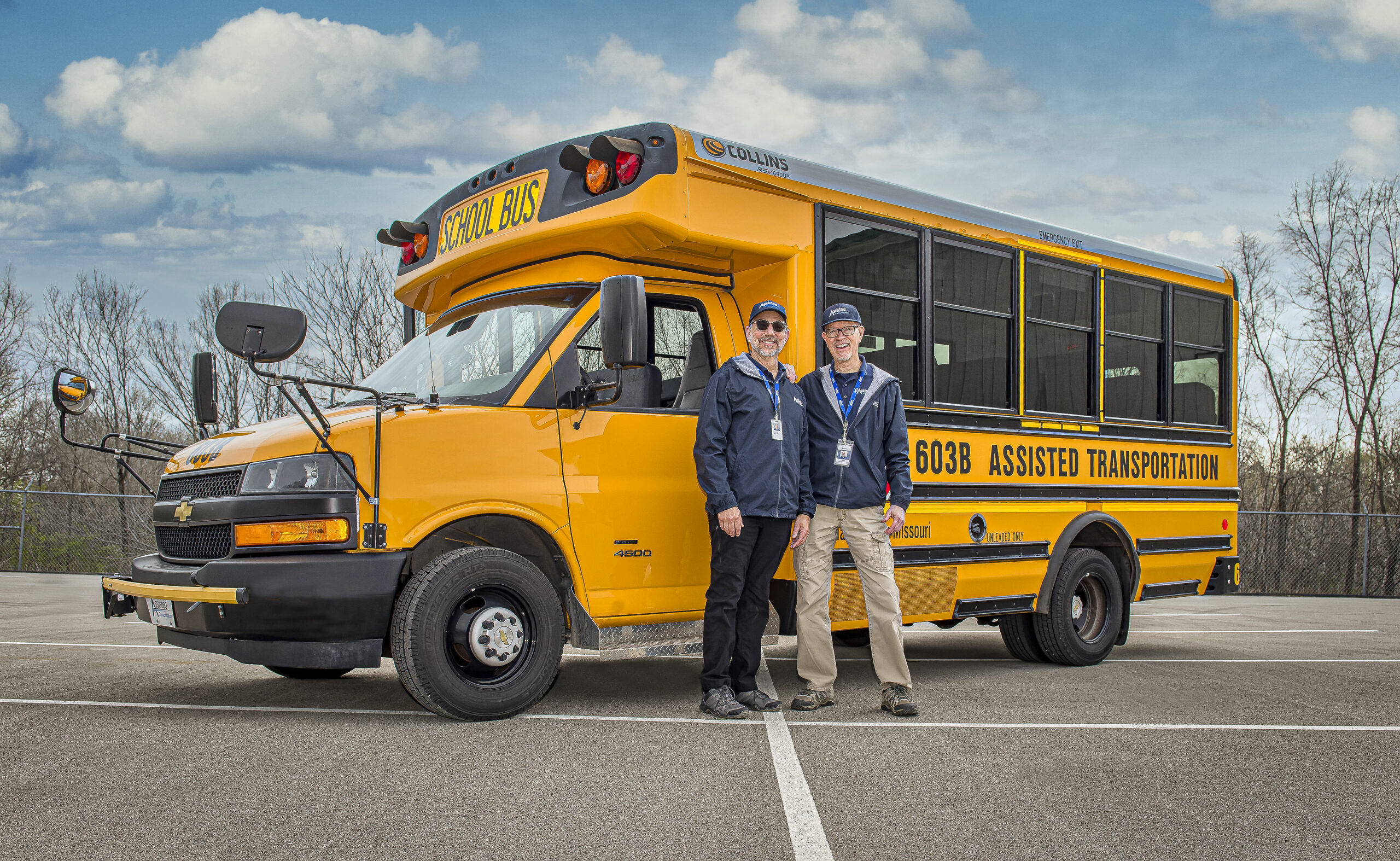
Assisted Student Transportation works alongside districts to support students who need more individualized transportation solutions. That may include students with disabilities, students experiencing homelessness, students in foster care, students with medical or behavioral needs, or students whose routes simply cannot be served well through a traditional model.
The goal is not to pull transportation away from the district. The goal is to help the district serve every student more safely, reliably, and consistently.
Knowing when to start the conversation
Districts do not need to wait until the system is overwhelmed before exploring alternative transportation support.
The best time to start the conversation is often when the warning signs first appear: routes are getting harder to manage, driver gaps are creating coverage issues, ride times are increasing, families are raising concerns, or internal teams are spending too much time solving the same transportation challenges over and over again.
Alternative transportation is not a one-size-fits-all solution. It should be thoughtful, accountable, and aligned with the district’s existing operation. But for the students and routes that need something more customized, the right partner can make a big difference.
If your district is looking for support with specialized student transportation in Kansas or Missouri, Assisted Student Transportation can help you explore options that complement your current operation and better support the students who need a higher level of care.
Contact Us
Assisted Student Transportation Services is committed to meeting the individual transportation needs of the students and districts we serve. We’re driving the future of student transportation by providing access to education through safe, dependable alternative student transportation programs. School districts and operators choose to work with Assisted because of our stellar reputation as well as our unique approach to partnership.
Want to work with a student transportation team that specializes in safe, efficient, cost-effective programs? Reach out to us to see how Assisted Student Transportation can help.
Contact us here to learn more.